Verifying a used vehicle’s history is important if you’re buying a second-hand car privately in South Africa. While a private, pre-loved car purchase is rewarding, it can come with risks.
From stolen vehicles to outstanding finance and hidden accident damage, the pitfalls are real. That’s why you need to carry out a thorough check of the second-hand car’s history. This protects you and your investment in the long-run, so let’s get into it.
For an in-depth guide on buying used vehicles, see our article:
Why Verifying a Vehicle’s History Is Crucial
In South Africa, there are a lot of scams when it comes to buying a pre-loved car privately. It has become easy (and cheap) to conceal damage, and the car-part market is riddled with poor-quality spares.
To save yourself trouble and money, you need to check the vehicle’s history before buying it from someone.
Top 3 Reasons to Verify Vehicle History
1. Avoid legal trouble
Even if you unknowingly purchase a stolen car, it could lead you into legal trouble.
2. Avoid financial complications
Private sellers could be advertising a vehicle with outstanding finance. If you bought the vehicle without knowing about this, the bank or lender would still have the legal authority to reclaim your car.
3. Spot Mileage Fraud
We all use mileage as an indicator of a car’s condition. However, private sellers can tamper with the mileage gauge (the odometer), leaving you with an inaccurate picture of the car’s mileage.
4. Spot hidden damage
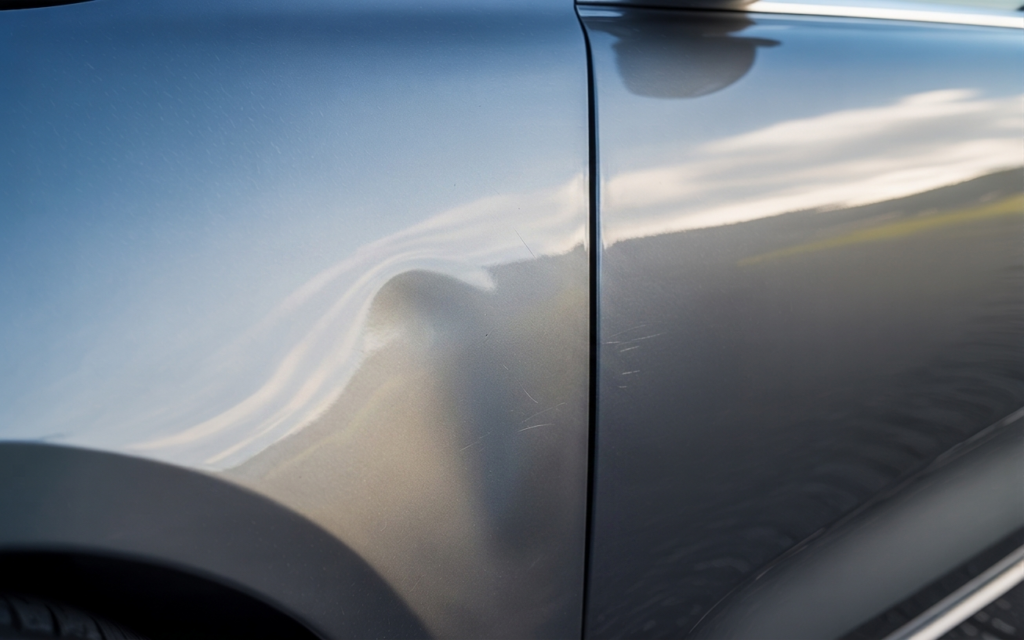
A pre-loved car can look brand new but have hidden accident damage concealed under a surface-level fix. Severe accident damage can be masterfully hidden with fresh paint or low-quality parts. If the owner is trying to hide a used car’s accident history, it’s probably because of how costly the extent of the damage is.
Want to avoid the risk of a private sale?
The 3 Checks to Verifying a Vehicle’s History in South Africa
So, now you know why you need to validate a used vehicle’s history, so let’s take a look at how you check where a second-hand car has come from, and how well it was treated.
Step 1 – Check the Vehicle Identification Number (VIN)
What the VIN Tells You
The VIN is a numerical code on every car. Think of the VIN as a car’s ID number. It provides detailed information about a vehicle, including:
- Make, model, and year of manufacture
- Engine type and specifications
- Assembly location and manufacturing details
How to Locate the VIN on your SA Car
This 17-character number can usually be found on one of the following:
- Dashboard (visible through the windshield)
- Engine bay
- Chassis plate
Verifying the VIN in South Africa:
One way to go is to check out the official AA website, where, for as little as 20 rand, you can get accurate vehicle details, including:
- Verification of the VIN
- Engine specifications
- Make and model
- Vehicle type
You could also do a NaTIS vehicle check.
What is a NaTIS Vehicle Check in South Africa?
The National Administration Traffic Information System is a South African body that handles vehicle registration.
By reaching out to NaTIS, you can confirm the registration status of the vehicle you’re interested in buying. You can also use eNaTIS to check outstanding finance claims!
Step 2 – Cross-Check with Physical Inspection
Now that you’ve combed through the preloved car’s documentation to verify it, it’s time to scour over the vehicle from bumper to boot.
Physically inspect the vehicle to confirm history findings:
- Match VIN to chassis and engine numbers
- Look for paint inconsistencies, weld marks, or replaced panels
- Use a Mechanic or Pre-Purchase Inspection
If you’re not a car expert, your personal mechanic can check the second-hand car for hidden damage and let you know the quality of any repairs.
Step 3 – Document Your Findings
Keep records for peace of mind. Save all reports and records, including:
- eNaTIS checks
- Mechanic inspection reports
A clean history can:
- Boost confidence in the purchase
- Justify negotiating a better price
Bonus Tip for South African Buyers
- Insist on written proof for finance clearance
This extra step adds a layer of protection when buying used vehicles in SA.
Do you need professional advice?
The Core of Verifying Used Car History
In the end, it’s all about safety. Legal safety. Financial safety. Motor safety. Going through the process outlined above may seem excessive, but substantiating a private seller’s claims is non-negotiable. The seller could be a stranger, friend or even family: you can never be too safe.
If you want to save yourself the trouble of a comprehensive vehicle inspection, a used-car dealer is the more apt choice.